Experiencing the Seasons
Nature is constantly changing. Discover the seasons together at your own pace, with respect for individual needs and plenty of room for retreat.
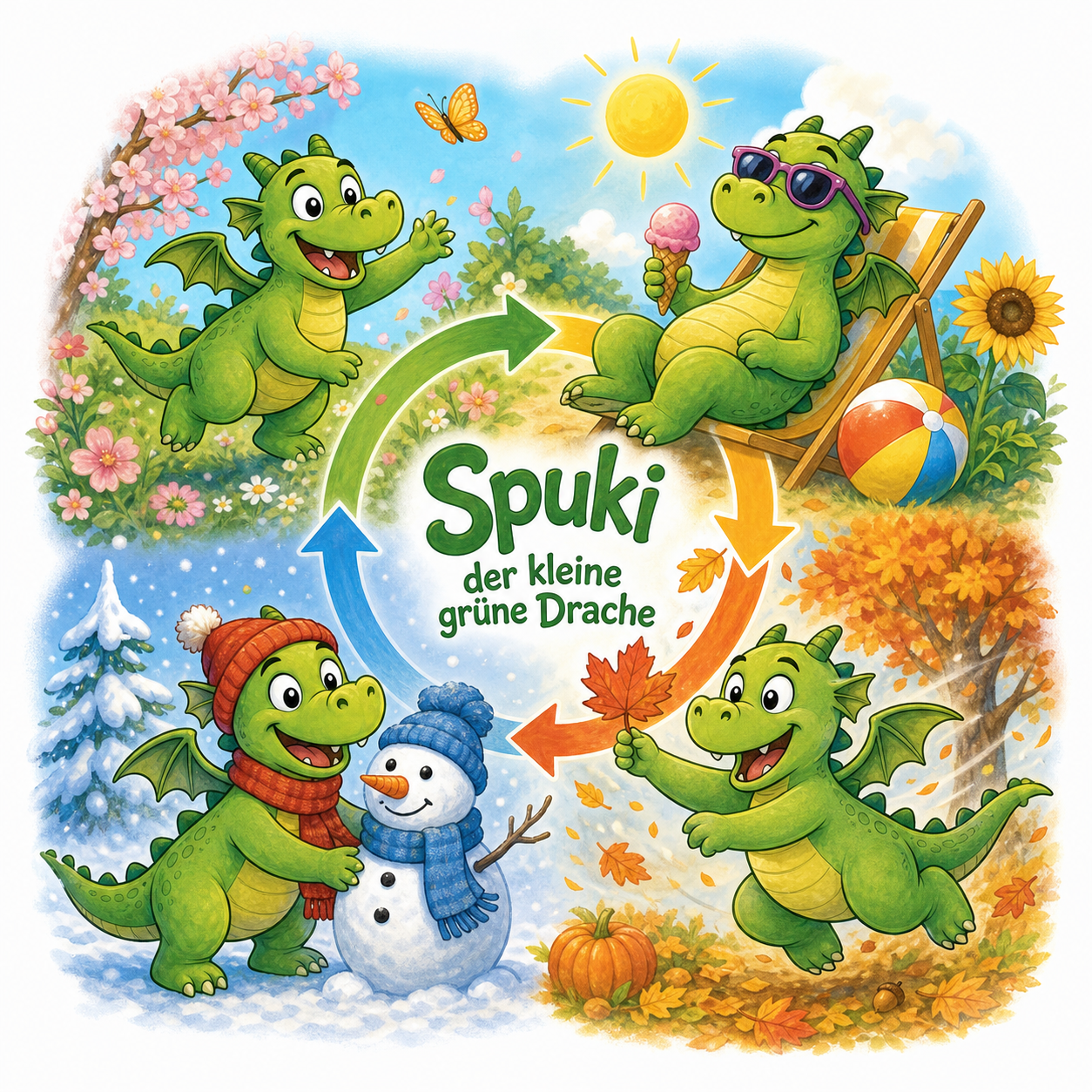
1. Spring Awakening at Your Own Pace
Spring brings many new stimuli. Start slowly by sowing plants on the windowsill. Observe animals from a safe distance. Give the child time to get used to the new smells and colors.
2. Summer: Finding Calm in the Heat
Heat and bright light can be overwhelming. Create cool, darkened retreats. Use water for gentle, calming sensory experiences. Sun protection works most naturally through light clothing made from natural fibres (linen, cotton), shade and wide-brimmed hats – completely without products on the skin.
3. Autumnal Structure and Creativity
Autumn offers clear, structured activities such as collecting and sorting leaves or chestnuts. Flying kites in the fresh air helps release excess energy. Lantern processions should be predictable and not too loud.
4. Winter Retreat and Security
Use the dark season for coziness. Snow offers a unique tactile experience, but ensure warm, soft clothing without scratchy labels. Gentle candlelight (or LED candles) creates a calming atmosphere without harsh stimuli.
5. The Seasonal Table as an Anchor
Set up a fixed place in the house that reflects the current season. This provides visual orientation and predictability. The child decides for themselves which collected natural treasures find a place there.
6. Seasonal Food without Pressure
Offer seasonal fruits and vegetables, but respect the child's sensory boundaries. An apple in autumn or berries in summer can be discovered together. The rule is: tasting is allowed, but never mandatory.
7. Making Annual Festivals Predictable
Festivals often mean an interruption of routine. Discuss the schedule of Christmas, Easter, or Carnival in advance. Create clear escape options if the hustle and bustle becomes too much. Participation is always voluntary.
8. A Personal Nature Calendar
Keep a visual calendar together. Draw or paste pictures showing what is happening in nature. This helps neurodivergent children better grasp the abstract concept of time and seasons.
9. Weather Observation as a Routine
Make the daily look out the window a fixed ritual. Discuss objectively what the weather is like and what clothing makes sense today. This provides security and promotes independence in preparing for the day.
10. A Seasonal Ritual with Spuki
Welcome each new season with a small, quiet ritual. Spuki, the dragon from Mount Pilatus, can be there as a cuddly toy or figure. Remember together what Spuki likes to do most in the Swiss mountains during this season.
Spuki's Seasonal Task
Spuki loves to observe the seasons on Mount Pilatus. On your next walk, collect three things that are typical for the current season (for example, a colorful leaf, a smooth stone, or an empty snail shell). Put them on your seasonal table at home. Spuki is happy about your treasures!
Tip for Parents
Every transition into a new season means change. For neurodivergent children, this can mean stress (new clothes, different light, changed routines). Accompany these transitions patiently. It is perfectly fine if the winter jacket is only accepted in December or if the child prefers to wear long pants in summer. The dignity and well-being of the child always come before societal expectations.
The Four Elements in the Year Cycle
Each season is shaped by an element. Children sense these forces intuitively:
Fire – Summer
Warmth, joy of life, activity. Solstice fires, campfires, candle rituals.
Water – Autumn
Letting go, flowing, emotions. Watching rain, damming streams, allowing tears.
Earth – Winter
Rest, security, roots. Collecting stones, building dens, grounding.
Air – Spring
New beginnings, lightness, breath. Flying kites, deep breathing, making pinwheels.
Living with the Moon
The moon accompanies us through the year. Children are often especially receptive to its rhythms:
New Moon: Stillness, retreat, setting new intentions. Ideal for quiet evenings and writing wishes.
Waxing Moon: Growth, starting new things, sowing seeds. Good time for new projects and learning phases.
Full Moon: Peak, abundance, celebration. Children often sleep more restlessly – that's normal. Full moon walks are magical.
Waning Moon: Letting go, tidying up, saying goodbye to old things. Good time for decluttering and creating order.
These tips were developed in collaboration with the Humanistic School Switzerland and Inclusion Switzerland. They are based on the principles of self-efficacy, unconditional acceptance, and respect for the individual perception of each child.
These tips are for general guidance. For health questions, trust your intuition and seek professional support if needed.